Bear Witness to Your Body:
A 31-day Writing and Art-Making Journey towards Body Positivity
Body positivity is ultimately a personal journey, but it doesn’t have to be done alone.
Join us for Daily Art-Making and Journaling Prompts, 2 ZOOM Workshops, readings, affirmation, and motivation, with a Discord Channel to meet others on this journey, all designed towards discovering and loving your (and every) body.
Daily prompts, October 1-31
ZOOMS: Saturdays, Oct 5 and 26 — 2-5 pm EST
$120 –or $30 a week

We are given myths and distortions about our bodies, our sexuality, our desires from many places: our society, our religion, our parents, our significant relationships, our experiences. These are messages and myths we then “embody” and take with us. Our bodies “don’t belong, don’t fit in, take up too much space.” Chairs are not big enough, clothes are not affordably made to fit us, airplane seats, theatre seats cannot contain us. We are continuously asked to control and contort our bodies. Or perhaps our face is not what others want to see, or our hairstyle, our fashion—not acceptable. We are too short, too thin, to ungainly, too much– and while we try to fit in, we “fail” to hide ourselves enough. What is an acceptable body in public? In private? What’s acceptable sexual behavior? How has an unspoken need for acceptance shaped our ideas of our body? How do we begin to own, respect, and love our bodies again?
We are already given plenty of ways to think about our body–but we need to see those body image messages, confront them, and replace them with true, accurate concepts of body image through our own study.
***
Often, it takes a lot of work to reshape, re-craft our physical expectations and embrace our unique bodies, genders, sexual expressions. We must change our eyes, our perceptions, our beliefs. One way to re-vision our bodies again is through art-making– painting, sculpting, music, dance, writing, photography, etc. I wrote about this in my essay, “A Fat Lot of Good That Did: How an Art Studio Transformed My Eyes,” originally published in Fat & Queer: an anthology of Queer and Trans Bodies and Lives (eds. Morales, Grimm, Ferentini. Jessica Kingsley Publishers, 2021). I learned a lot about my body and myself through art-making, through photography, and later through daily watercolor art. That daily practice also improved my art making skills, and my body acceptance, tremendously.
This class will take inspiration from Classical Art to contemporary art, from Bouguereau to Boudoir. Daily, you will be invited to create art with a pen, a brush, a camera, with writing, or song, or dance, to understand the body you have better, to understand others better, and possibly to understand ourselves better.
We can bring JOY back to our bodies and our minds.

Based on the concept of thirty day art challenges to improve skills, you will receive email prompts, from October 1-31, with links that lead to our Discord channel—with a piece of classic or contemporary art and a short reading and prompt, asking you to think about the art, or the story surrounding the art, and inviting you to choose a way to creatively express your response to the prompt—through making art, photography, or writing (or dance, song, etc.). When you are finished with this month, you will have 31 expressions that you created that are in direct response to your personal exploration of bodies. You do not have to use yourself as a model. You do not have to share anything private that you are not ready to share.
Continue reading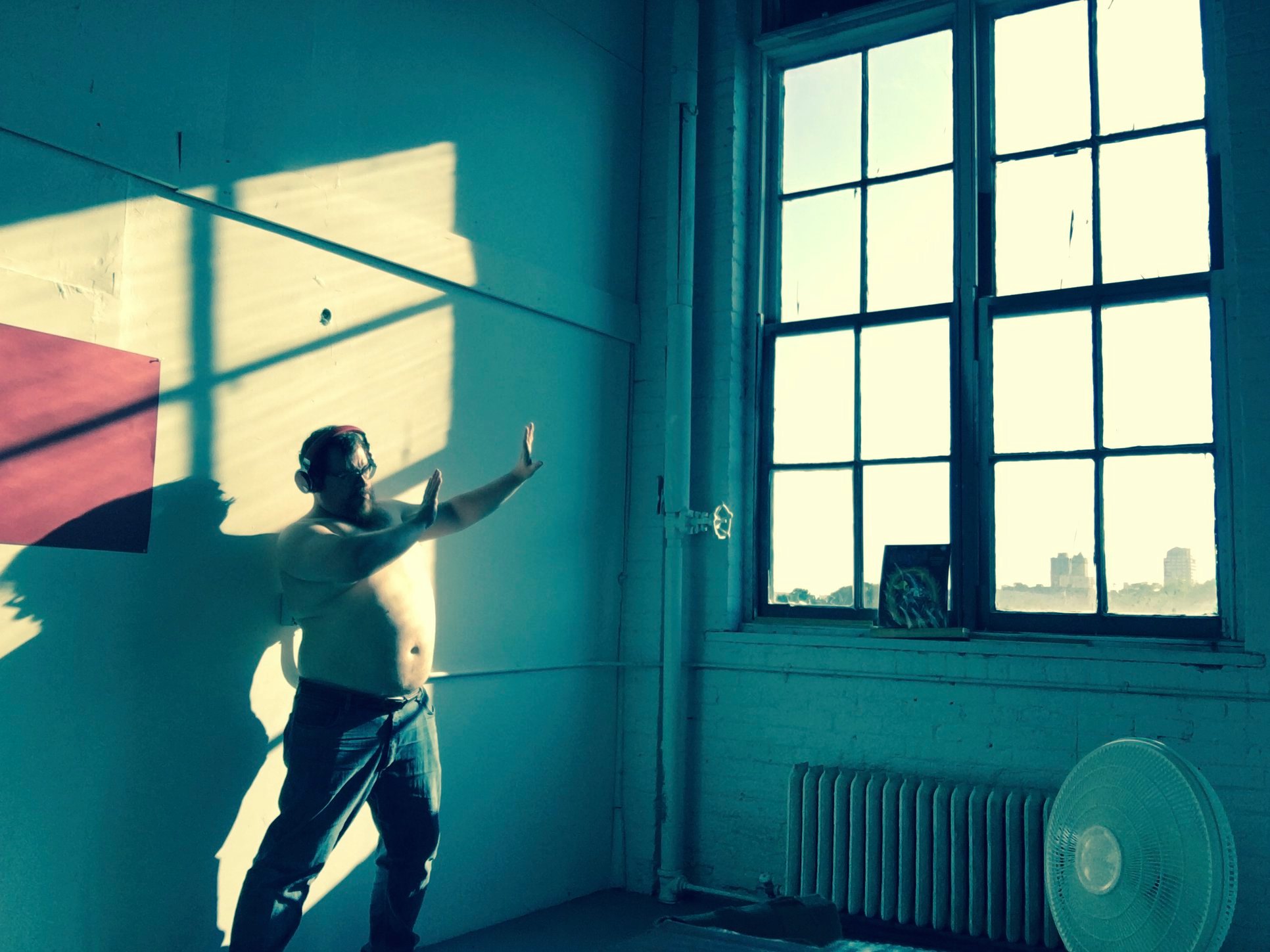

 Bear Witness